Sustainability
Sustainability is a core element of AKFA Holding’s business model, not a separate function. We integrate environmental, social, and governance (ESG) priorities into strategic planning, operational activities, and key decision-making.
Our goal is to ensure the long-term creation of sustainable economic value while minimizing negative impacts and maximizing positive effects on the communities in which we operate.


Our аpproach. AKFA’s
sustainability strategy is
built on three interrelated dimensions.
Environmental responsibility
reducing our carbon footprint, using resources efficiently, and transitioning to cleaner technologies.
Social Impact
developing human capital, improving access to education and healthcare, and supporting local communities.
Corporate governance and transparency
upholding strict ethical standards, managing risks, building sustainable supply chains, and ensuring ongoing information disclosure.
We align our goals with global frameworks and international best practices

Key elements of AKFA Holding’s sustainable model
Integration of sustainability into strategy and governance
Sustainable development is embedded in AKFA Holding’s Vision 2030 strategy and corporate governance system. ESG priorities are integrated into the KPIs of divisions and top management, with performance monitored through regular internal and external audits. The governance model ensures clear accountability, integration of ESG risks into decision-making, and coordination across business units.

Environmental transformation
AKFA Holding implements large-scale initiatives to reduce its environmental footprint:
- Decarbonization: Monitoring direct and indirect CO₂ emissions, reducing emission intensity through equipment upgrades and process optimization.
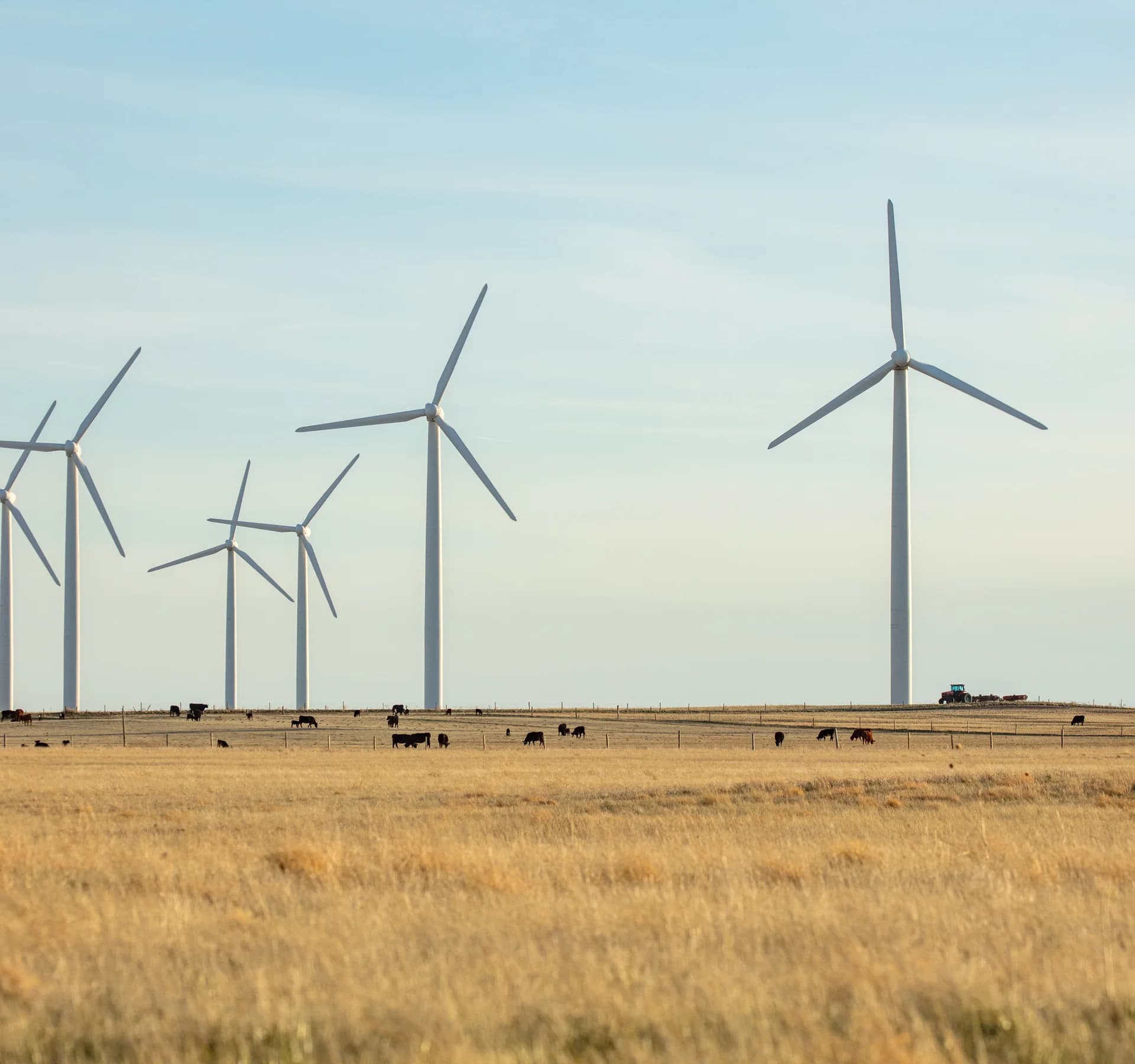
- Energy Efficiency and Renewables: Deploying energy-efficient technologies and partially transitioning to renewable energy at production sites.
- Resource Circularity: Waste management, scaling up recycling, replacing non-renewable materials, and adopting sustainable design principles.
- Water Resilience: Reducing consumption, reusing, and treating water within production cycles.
Social sustainability and human capital development
We view human capital development as a strategic asset. AKFA Holding invests in education, professional training, and leadership development, expands access to high-quality healthcare infrastructure, and supports local communities in regions of presence. Principles of inclusivity, safety, and equal opportunity are embedded in our corporate culture.

Sustainable supply chains
The holding applies a systematic approach to supply chain management, assessing partners against environmental, social, and ethical criteria. We enhance transparency of material sourcing, manage systemic risks, and develop joint initiatives with key suppliers to strengthen the sustainability of the entire ecosystem.

Risk Management, Ethics, and Transparency
AKFA Holding’s corporate governance is based on an integrated risk framework covering climate, regulatory, social, and reputational risks. The company operates under a corporate ethics code, compliance procedures, internal control mechanisms, and whistleblower protection. Transparent ESG disclosure builds trust among investors, partners, and society.


Metrics and targets
AKFA Holding is developing a system of measurable ESG targets covering environmental, social, and governance aspects of its operations. Key indicators are tracked against baseline values, integrated into strategic and operational management, and regularly reviewed within corporate strategic cycles.
Methodology & documents
AKFA Holding ensures transparent and comparable disclosure of sustainability information through regular reporting based on international standards.
Published documents reflect the progress of ESG strategy implementation, key impact indicators, and applied assessment methodologies, and are subject to independent external verification.
Back to the top